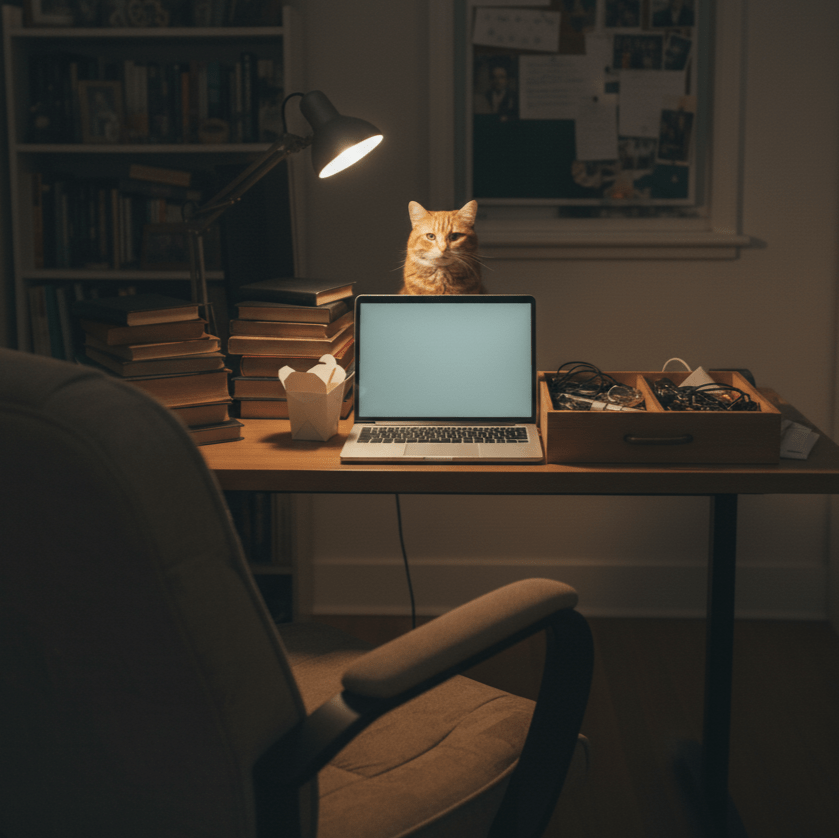
We all, eventually, reach a predictable moment after every project. We pretend to handle it with grace, as we stare at our finished manuscript until we literally can’t read the words anymore, then we congratulate ourselves for surviving another creative ordeal. Then, the question arrives with the peaceful grace of a bowling ball. It asks what we plan to write next. We feel a twitch behind our eyes. We imagine running away to hide in a forest on the side of some mountain. We pretend that inspiration will appear like a guardian angel, although, we know that inspiration usually behaves like a cat that refuses to come inside before a storm. We need a subject. We need it soon. We want to keep our sanity intact, although we accept that sanity might only exist as a polite suggestion at this stage.
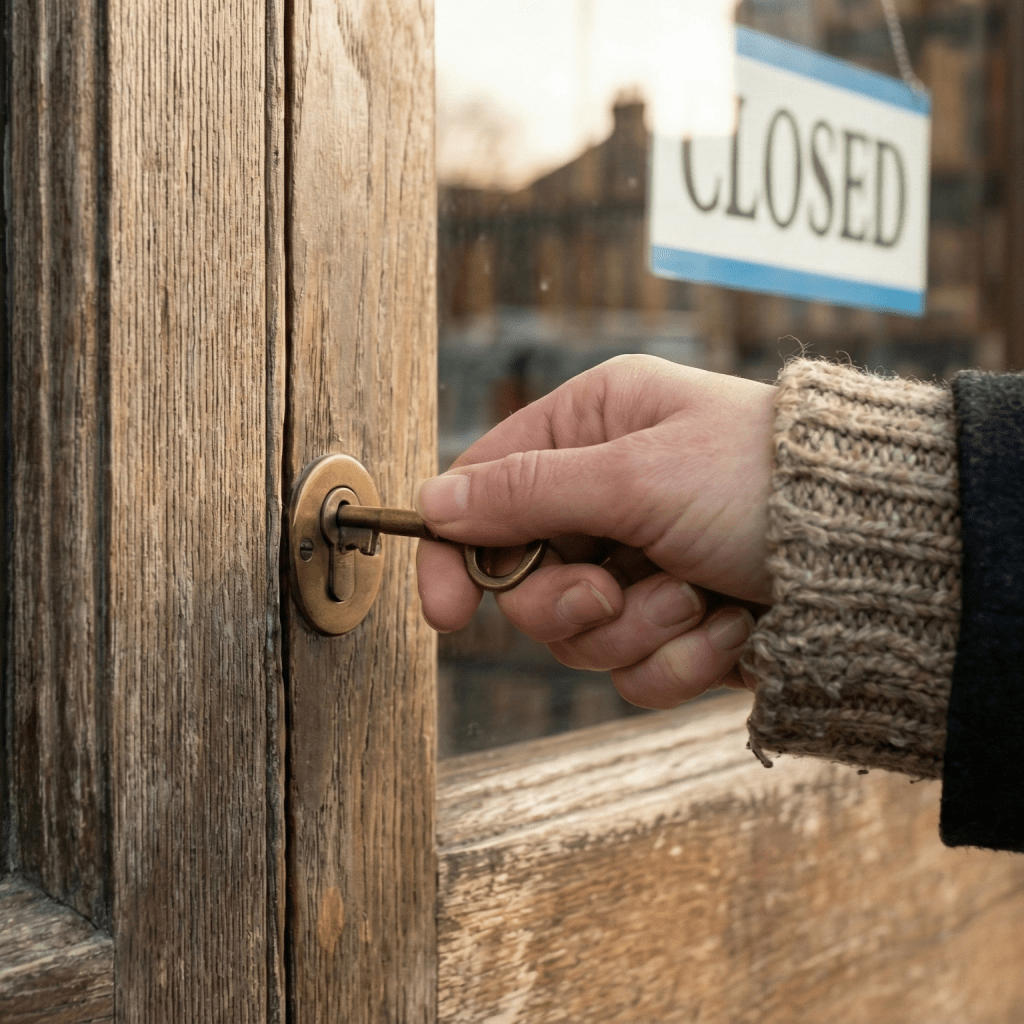
We never begin with noble thoughts. We begin with the junk drawer. We tell ourselves that we’ll clean it. We never clean it. We push aside expired batteries that still feel heavy enough to cause suspicion. We touch rubber bands that crumble at our fingertips. We lift the small metal key that opens absolutely nothing in the known universe. We don’t remember where the key came from. We don’t remember why we kept it. We understand that a key with no lock deserves a story, possibly a trilogy, possibly the kind of sprawling saga that future academics will misinterpret. We stare at the drawer until we remember that ordinary objects can feel mythic when we’re desperate enough.
We leave the house when the drawer doesn’t speak back to us. We walk into a coffee shop with our laptop, and we intend to write something meaningful. We spend most of the time listening to conversations we’re not supposed to hear; the graduate student whispers that she’ll leave the apartment “if the llama shows up again.” We watch the barista pretend that sentence didn’t just alter the fabric of reality. We overhear a couple quarrel about a missing gardening tool as if the world will end without it. We realise that humanity delivers free plot hooks every day. We gather these overheard moments with the reverence of beachcombers collecting sea glass. We store them away. We tell ourselves that we don’t eavesdrop. We absolutely do.
When the world grows too loud, we turn to our pets for comfort or, more accurately, judgment. Our cats stretch across the furniture with a smug look on a face that doesn’t look directly at us. Our dogs tilt their heads in the universal canine expression that says they don’t understand our life choices, but they support us anyway. Our fish float in their tanks like disappointed professors. They stare at us until we invent something that feels worthy of their attention. They don’t offer praise. They don’t offer guidance. They stare until guilt forces us back to the keyboard. We tell ourselves that they inspire us. They don’t. They sit and silently judge us with disdain.
Eventually, we wander into history books. We promise ourselves that we’re doing research, although we know that we’re scavenging for mischief. We read a paragraph about some forgotten monarch, and we imagine that monarch running a bakery in a coastal town. We study the footnotes, and we wonder how the obscure footnoted figure would behave as an accidental time traveler who hates the future. We tell ourselves that historical accuracy matters. We know that drama matters more. We rescue details from the margins and turn them into things that scholars would definitely frown at. We love that thought.
When the history book stops delivering, we turn to the internet for guidance. We know this is a mistake, but we do it anyway. We type the first half of a question, and watch as autocomplete reveals the unspoken private thoughts of complete strangers. We learn that people argue passionately about pickles, ironing, moon phases, and birds that may or may not understand tax law. We find questions that raise new concerns about the state of humanity. We discover search results that feel like prophecy. We understand that our next subject might come from these confessions. We tell ourselves that the internet helps. The internet laughs and hands us another weird idea.
At some point, we remember the power of the absurd. We think about the bestselling novels built on improbable creatures or questionable science. We think about the stories that defied logic and still conquered the world. We remind ourselves that the bar for originality sits so high that we can’t see it, while the bar for sheer audacity lies limp on the floor. We embrace this contradiction. We accept that absurdity sometimes opens a door that realism keeps locked. We lean into our strangest impulses. We tell ourselves that the market can handle it. The market usually does.
Eventually, we choose a subject. We stare at it with suspicion, because it didn’t strike us like lightning. It arrived with a shrug and a voice in our ear that says, “Sure, why not?” It arrives with a spark that might die at any moment. It arrives with the same energy as half-empty takeaway cartons. We commit to it anyway, and we tell ourselves that we’ll love it… eventually. We know that we’ll hate it first. Every book reaches the middle section where enthusiasm goes to die. We reach that point, and we curse ourselves for choosing such a ridiculous idea. We torment ourselves about starting over. We fantasize about deleting everything and becoming a hermit. We keep going anyway. The subject survives, and we survive with it.
We arrive at this conclusion, along with countless people who’ve lived through the creative cycle enough times to recognize the pattern. Finding a subject has never been about divine flashes of brilliance. Finding a subject has always been about noticing what sits right in front of us. Inspiration hides in overlooked details, half-heard moments, quiet animals, dusty histories, and the scattered nonsense of the internet. We don’t need to find the perfect subject. We need to choose the subject that tolerates our attention for more than twenty minutes. We bring the voice, the perspective. The subject merely provides the skeleton, and we build the body.
We end where we began, with that junk drawer. We open it again. The batteries still look suspicious. The rubber bands still crumble. The mysterious key still stares back at us waiting to be useful again. We hold the key between our fingers, and accept that this drawer contains more narrative potential than half of our research notes combined. We watch the late afternoon shadows move across the room. We know that we’re ready to begin.
And if nothing else works, we can always write about the drawer. That drawer has waited patiently through every creative meltdown we’ve ever had. That drawer knows our secrets. That drawer deserves a memoir.



 Lia Declan's Musings
Leave a comment