Tips About Creative Writing

The Final Chapter: Closing Our Bookstore
I have some sad news to share. On December 23rd, at five in the afternoon, my partner and I will lock the door of the bookshop for the last time. I have written and deleted that sentence several times already. It looks simple on the screen, but it carries tears, hard work and hope and…
Keep reading

Normalising Queer Characters in Literature
Queer Characters Are Normal Characters When someone asks me where to find the queer books in my shop, I almost always feel the same tension in the room. Sometimes the person stands at the door for a moment, scanning the shelves like the books might announce themselves. Sometimes they lower their voice on the word…
Keep reading

Names On The Spine:
Choosing And Using Pen Names In my bookshop, there is one shelf that I walk past several times a day. It’s near the counter, within easy reach of the till. That shelf holds my own novels. Some of the spines read “Lia Declan.” Some of the spines read “Liam Declan.” Sometimes, customers notice. Today, a…
Keep reading
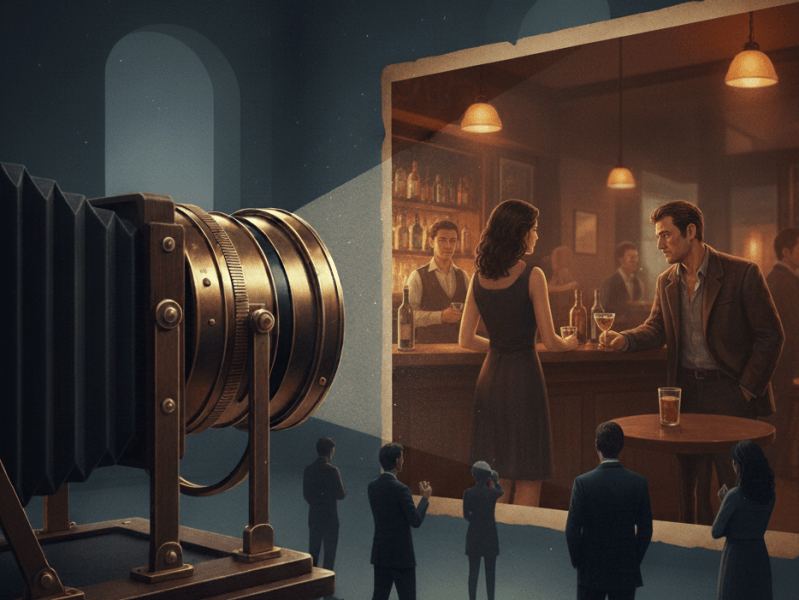
The Camera in the Sentence:
How Point of View Shapes Power In every scene, a writer chooses a place to stand with the camera. That choice lives inside every sentence, even when a writer never mentions a “camera” or a “gaze.” A writer decides whose body the reader feels from the inside, whose body the reader observes from across the…
Keep reading
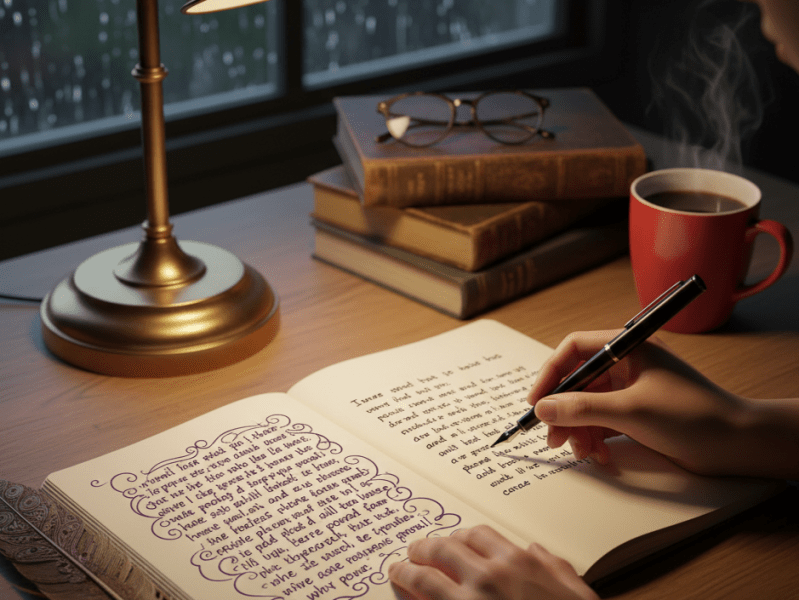
Writing for Emotion Without Purple Prose
Emotional Writing and the Temptation of Ornament Introduction: Writers often assume that emotional intensity must be matched by equally intense language. This belief pushes many toward ornate phrasing, heavy metaphor, and saturated sensory description. The result is purple prose: language that performs emotion instead of communicating it. The problem is not simply stylistic excess. The…
Keep reading

The Language of Objectification:
Authorship as Visualization Objectification is usually treated as a visual problem. We talk about the damage done by advertisements, films, fashion, pornography, or the digital avatars stamped across the gaming industry. We talk about the exaggeration of bodies, the slicing of people into consumable parts and the way a camera can turn a moment into…
Keep reading
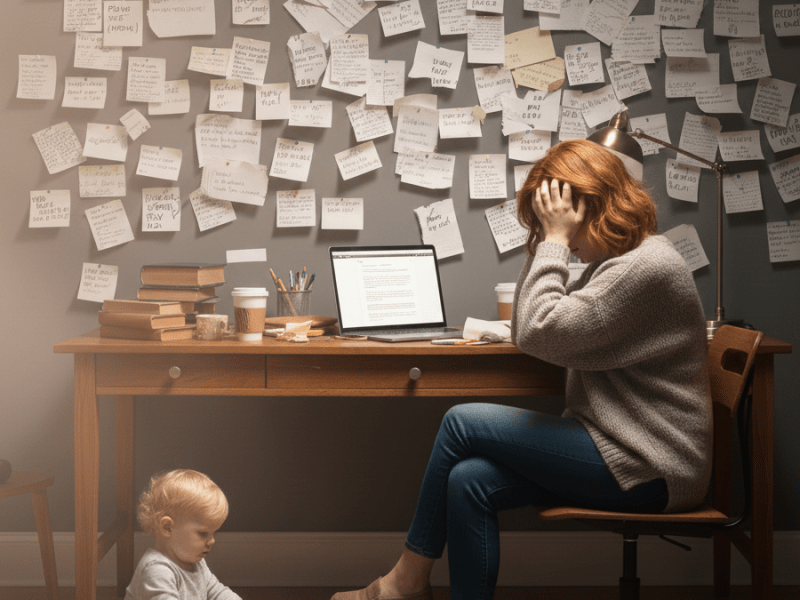
Ten Tips for Writers (That Will Make Us Want to Scream)
Tip 1: Write Every Day, or ElseWe’ve all heard this one delivered like an absolute truth. Miss a single day and the Writing Police will apparently march up the path, break down the door, and confiscate our laptops before we’ve had time to defend ourselves. Stephen King writes every day. Nora Roberts writes every day.…
Keep reading

How To Find a Subject for Your Next Book (Without Losing Your Mind)
We all, eventually, reach a predictable moment after every project. We pretend to handle it with grace, as we stare at our finished manuscript until we literally can’t read the words anymore, then we congratulate ourselves for surviving another creative ordeal. Then, the question arrives with the peaceful grace of a bowling ball. It asks…
Keep reading
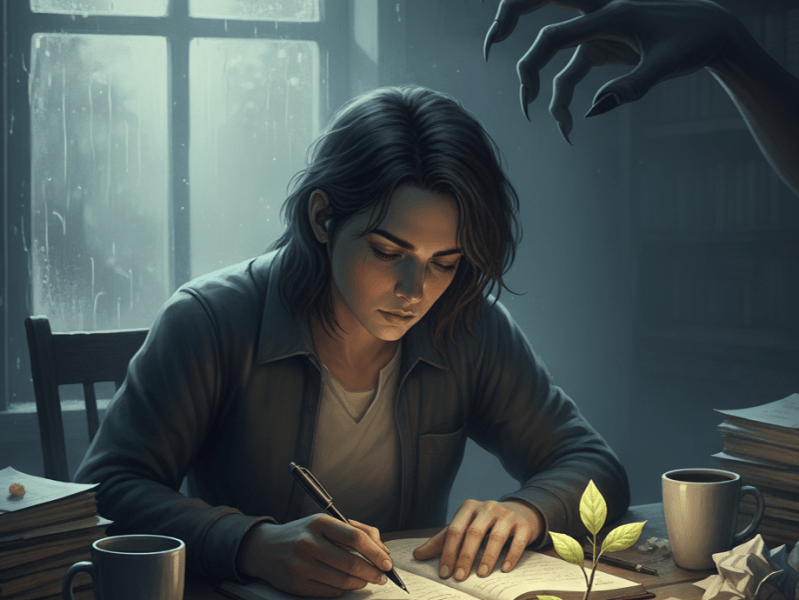
Why We Keep Writing
In the face of constant criticism As writers, we expect a certain level of criticism, and we even welcome it to a point, because we understand that outside eyes can reveal things we miss. Yet we also know that every critique arrives with the unmistakable stamp of a reader who believes their perspective represents a…
Keep reading
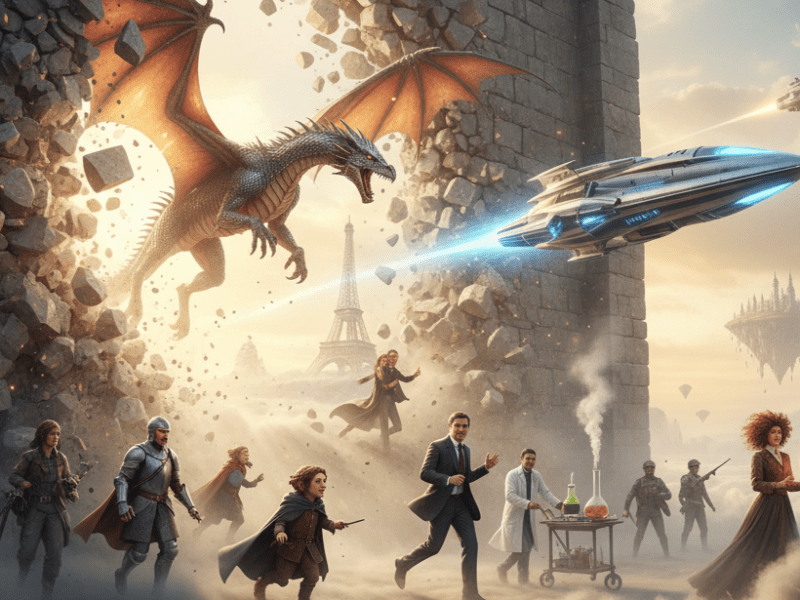
Why “Write What You Know” Is Terrible Advice
Every writer has heard it. Usually from someone who has never written a book. Sometimes from a teacher who means well. Occasionally from a relative who thinks they’re being helpful while also wondering why you don’t have a “real job.” “Write what you know.” It sounds wise, doesn’t it? It sounds safe. It sounds like…
Keep reading
Something went wrong. Please refresh the page and/or try again.




 Lia Declan's Musings